


More: http://www.apnasapnahomestay.com/kallathigiri-falls.html
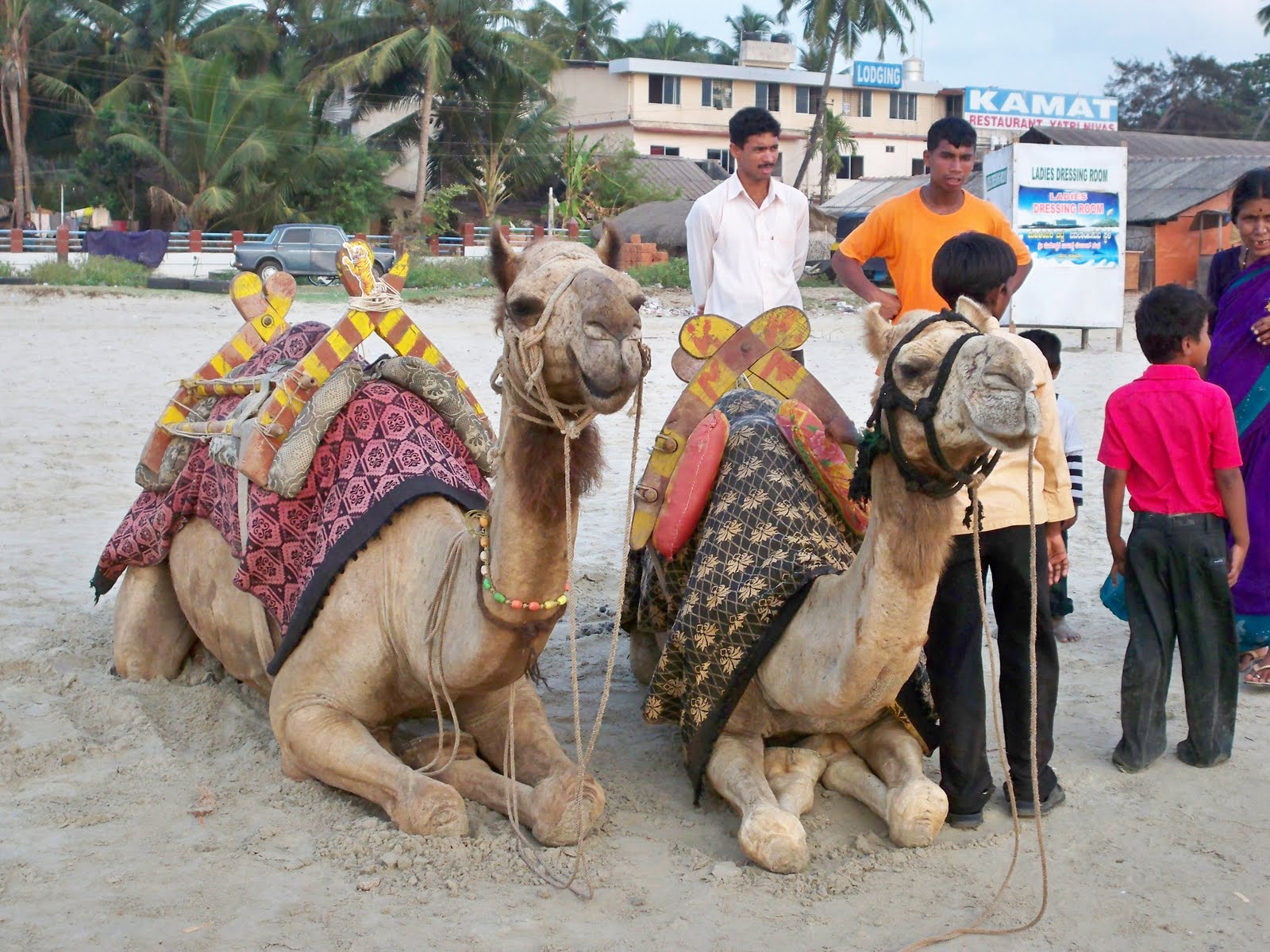
 Murudeshwar beach, a favorite tourist spot in South India, is situated in between Bhatkal and Honnavar.




 he name "Murudeshwara" means Shiva or Eeshwara. The significance of this holy town dates to the time of Ramayana. By penance dedicated to the AtmaLinga, the divine Lingam of Shiva procures invincibility and immortality to the Hindu Gods. Ravana, the Lanka King worshipped Shiva with devotion to attain immortality by obtaining the AtmaLinga. Lord Shiva appeared before Ravana and asked him what he wanted. By this time Lord Vishnu to change Ravana's mind on behest of Narada. As a result of this plot, Ravana asks for Goddess Parvathi, and Lord Shiva offers him.
 The temple was commissioned by Hoysala King Vishnuvardhana in 1117 CE. Scholars are divided about the reason why King Vishnuvardhana commissioned the construction of the temple. The military successes of Vishnuvardhana is considered a probable reason.[1] Some scholars believe Vishnuvardhana commissioned the temple to surpass his overlords, the Western Chalukya Empire (who ruled from Basavakalyan), after his military victories against them.[2]According to another theory, Vishnuvardhana was celebrating his victory against the Cholas of Tamil country in the battle of Talakad, which resulted in the annexation of Gangavadi (modern southern Karnataka) by the Hoysalas.[3] Another explanation points to Vishnuvardhana's conversion from Jainism toVaishnavism, considering this is predominantly a Vaishnava temple.[4] The Hoysalas employed many noted architects and artisans who developed a new architectural tradition, which some historians call Karnata Dravida tradition.[5] A total of 118 inscriptions have been recovered from the temple complex, covering the period between c. 1117 CE to 18th century, which give details of the artists employed, grants made to the temple and renovations.


Dattagiri Hills or Baba Budan Giri Range is a range of mountains in the Western Ghats of Karnataka, India. The range, originally known as Chandra Drona Parvatha, takes its current name from the Dattapeeta Cave and 17th century Sufi saint Baba Budan. The Dattagiri or Baba Budan Giri Range includes the highest peaks of Karnataka. Unique mountain flowers called Kurinji blooms in these hill ranges once in every 12 years and the last time this spectacle happened here was in 2006.
Peaks in the Dattagiri Hills/Baba Budan Giri Range include:


Dattagiri / Baba Budangiri (or Bababudangiri or Baba Budan Giri) is a mountain in the Dattagiri Hill Range / Baba Budan Giri Range of theWestern Ghats of India. Located in the Chikkamagaluru District of Karnataka, Dattagiri/ Baba Budangiri is known for its shrine which is a place of pilgrimage for both Hindus and Muslims.
Peaks in the Dattagiri / Baba Budan Giri Range are the Mullayanagiri and Dattagiri/Baba Budangiri (height 1895 m).
Mullayanagiri also spelt Mullayangiri or Mullainagiri is the highest peak in the Baba Budan Giri Range. With a height of 1930 m (6317 ft.), it is the highest peak between the Himalayas and the Nilgiris.


