Attur Church situated in the outskirts of Karkala town in Karnataka state — India.
Placed amidst placid greenery, the Attur-Karkala parish has a rich
history with its origin tracing back to 1759. Moreover it is known for
its miraculous history. Miracle, history, beauty, social activities, all
bundled into one.Unlike others, the church is a place of worship and belief for all,
irrespective of caste and creed. An vidence for universal peace and
brotherhood. People from all walks of the society come here to offer
their prayers to St Lawrence.
The Saint.
Born in the 3rd century
St. Lawrence believed to be a Spaniard was an extraordinarily virtuous young man. This quality was came to the notice of
St. Xystus,
the then archdeacon of Rome. Under the tutelage of St. Xystus, Lawrence
studied the holy scriptures, and the maxims of Christian perfection.St. Xystus was raised to the pontificate in 257, he ordained Lawrence
deacon
and appointed him the first among the seven deacons who served in the
Roman Church. Lawrence thus became the Pope's Archdeacon. This was a
charge of great trust, to which was annexed the care of the treasury and
riches of the Church, and the distribution of its revenues among the
poor.
History
Christians over here suffered captivity under
Tippu Sultan
during the period 1784-1799. The parish church in those days was
situated at a place about 7 kilometres away from the present church.
Tippu demolished that church and after freedom from captivity built a
Church with thatched roof somewhere on the way to Nakre in the year 1801
under the leadership of a Goan priest.
When the church was too old to be used, devotees of St Lawrence
accompanied by a Goan priest went about in search of a suitable site
carrying with them a one-foot wooden statue of St Lawrence. They were
praying St Lawrence to guide them in the choice of a place for raising a
church in his honour. They crossed the Rama-Samudra of Karkala and
coming down the woods of 'Parpare hills' they reached Attur. Then they
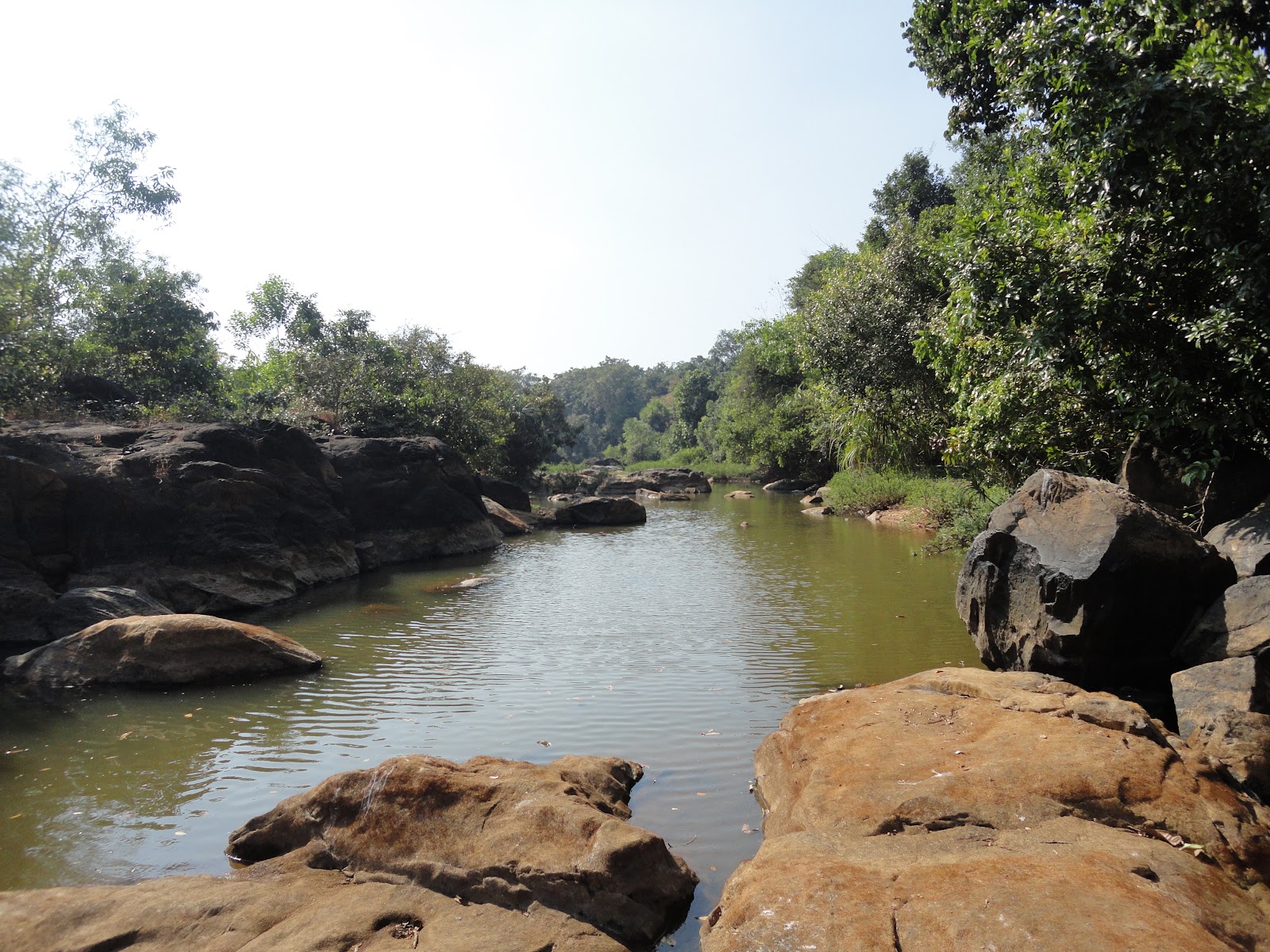
saw a spring flowing at the bottom of the hill. As they were tired and
thirsty they placed the statue of Saint on the ground and quenched their
thirst.
After sometime they thought of resuming the journey, but to their
great surprise they could not lift the statue, it was firm and immovable
like a tree. Then the priest decided to build the church there and
stooped down to lift the statue and it easily detached from the ground.
It was at that very spot, that they erected the church in the year 1839,
and soon became a place of pilgrimage.
In the year 1895 the parish priest, Rev Fr Frank finding so many
devotees of St Lawrence flocking to this church and claiming to have
received innumerable favours from the saint fostered the devotion
further and organised novenas and prayer services making them more and
more attractive. In the year 1900 Rev Fr Frank Pereira had the present
church built facing the north. This church was blessed and inaugurated
on 22 January 1901 by the Vicar General, Very Rev Mgr Frachetti
Faith and belief
This church being widely acclaimed as having the power to intercede
with God, attracts not only the residents of Udupi District but also
pilgrims from all parts of India.
This parish of St Lawrence is all set to celebrate the completion of
200 years of its existence in January 2001. A new church building as a
memorial of the Bicentenary was blessed on the 21st of January 2001 by
the Bishop of Mangalore. The Annual Festival popularly known as 'Attur
Jatre (Festival)' is both a religious and cultural fete, as people from
all faiths throng the church on this occasion. People of all religions
are equally fond of the Attur Church or the Attur Jatre. Another
significant characteristic of the church is the jatre(festival) that
takes place every year during the last Tuesday, Wednesday and Thursday
of January inviting lakhs of devotees into its arms
http://www.atturstlawrence.com